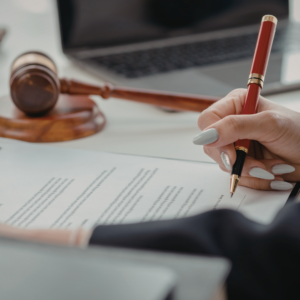
Small legal disputes can disrupt daily life, but often don’t require extensive court involvement. The most effective way to handle these disputes is through clear communication and negotiation before considering legal action. This approach saves time, reduces costs, and can lead to quicker resolutions.
Understanding the nature of your dispute and knowing your rights are key steps. Gathering relevant information and staying calm during discussions helps maintain control and prevent escalation.
If negotiation fails, there are formal options like mediation or small claims court designed specifically for minor cases. Knowing when and how to use these options can make the process less daunting and more manageable.
Understanding Small Legal Disputes
Small legal disputes usually involve limited financial amounts or specific personal issues that do not require extensive court procedures. These disputes are often resolved through simplified processes outside of complex litigation.
Defining Small Legal Disputes
Small legal disputes typically involve claims or conflicts where the monetary value or stakes are below a certain threshold, often set by local courts. These cases include minor contract disagreements, property damage, or neighborhood issues.
They are distinct from larger lawsuits because they use expedited procedures to reduce time and costs. The aim is quick resolution, often handled in small claims courts or through mediation. The scope is limited, focusing on straightforward facts and claims.
Types of Common Small Disputes
Common small legal disputes include:
- Contract disagreements: unpaid bills, service disputes.
- Property damage: minor accidents, neighbor boundary issues.
- Consumer complaints: faulty products or services.
- Landlord-tenant conflicts: unpaid rent, deposit disputes.
These disputes rarely involve criminal law or complex regulations. They usually revolve around contractual obligations, basic property rights, or straightforward financial claims.
Assessing the Severity and Scope
The severity depends on the financial amount, potential impact on relationships, and urgency. Small disputes typically involve sums under $10,000, but this varies by jurisdiction.
The scope is usually narrowly focused on one or two issues. The limited scope means evidence requirements are minimal, and legal representation may not be necessary. This keeps resolution accessible and less formal.
Initial Steps to Resolve Disputes
Resolving a small legal dispute begins with organizing facts and understanding the core of the conflict. Clarifying what documents and evidence you have, pinpointing the main points of disagreement, and considering potential outcomes will guide your next steps.
Gathering Relevant Documentation
Collect all written records related to the dispute. This includes contracts, receipts, emails, text messages, invoices, or any communication that supports your version of events. Proper documentation strengthens your position and can be crucial if the dispute escalates.
Organize these documents clearly and chronologically. Highlight critical details such as dates, names, payment amounts, and specific terms. If any documents are missing, make note of what is absent and try to obtain copies promptly.
Identifying Key Issues
Focus on the specific points causing the disagreement. Separate facts from opinions and avoid mixing unrelated concerns. Clearly identify what facts are disputed and which obligations or rights are claimed by each party.
Break down the issues into clear statements. For example, “Was the payment made on time?” or “Did the product meet the advertised specifications?” This helps in narrowing down the dispute and tackling it methodically.
Evaluating Possible Outcomes
Consider what resolutions are realistic and beneficial. This includes both best-case and worst-case scenarios from your perspective. Think about outcomes like negotiation, mediation, or court decisions.
Assess the costs and time involved in pursuing each option. Sometimes accepting a partial solution is more practical than a prolonged dispute. Be aware of potential risks and benefits before deciding how to proceed.
Effective Communication Strategies
Clear, direct interaction reduces misunderstandings and builds a foundation for resolving disputes. Being mindful about tone, timing, and goals shapes a productive conversation.
Approaching the Other Party
Begin contact in a calm and non-confrontational way. Use neutral language, focusing on the issue rather than personal traits. For example, say, “I’d like to discuss the invoice discrepancy” instead of “You messed up the invoice.”
Choose a good time to talk when both parties can give full attention. Face-to-face is best, but phone or email can work if needed. Prepare key points in advance; keep explanations simple and fact-based.
Show willingness to listen by asking open-ended questions. This invites cooperation rather than defensiveness. Keep emotions in check to avoid escalating tension.
Maintaining Professionalism
Stay polite and respectful at all times, even if the other party becomes emotional. Avoid sarcasm, threats, or blame. Use “I” statements to express your perspective without sounding accusatory, such as “I feel concerned about the missed deadline.”
Stick to the facts and avoid speculation or assumptions. Take notes during conversations and summarize what was discussed to ensure clarity.
If the discussion stalls or becomes hostile, suggest pausing and resuming later. Maintaining composure helps preserve options for resolution.
Negotiation Techniques
Define what you want before negotiating and identify acceptable compromises. List your priorities in order of importance to stay focused.
Use active listening to understand the other party’s needs and concerns. Repeat their points to confirm understanding and demonstrate engagement.
Offer solutions that benefit both sides, such as payment plans or adjusted deadlines. Be clear about your limits and walk away if the terms become unreasonable.
Document any agreements in writing immediately after the conversation to avoid confusion later.
Alternative Dispute Resolution Methods
Handling small legal disputes often involves processes outside of court to save time and costs. These methods provide structured yet flexible ways to reach agreements without a lengthy trial.
Mediation Processes
Mediation involves a neutral third party who facilitates discussion between disputing parties. The mediator does not decide the outcome but helps clarify issues and explore potential solutions. This process encourages cooperation and often results in a mutually acceptable agreement.
Sessions are typically informal and confidential. Parties can speak freely and propose compromises. Mediation is usually faster and less expensive than litigation. It is especially effective when both sides want to maintain a working relationship or resolve issues amicably.
Arbitration Considerations
Arbitration is a more formal process where an arbitrator hears evidence and makes a binding decision. Unlike mediation, the arbitrator acts similarly to a judge, ruling in favor of one side based on the information presented.
This method is quicker than court trials but less flexible than mediation. Arbitration agreements are often included in contracts beforehand. It can be private, reducing public exposure. However, the ruling is generally final with limited grounds for appeal. Arbitration suits disputes requiring a definitive resolution without prolonged court proceedings.
When to Consider Legal Action
Deciding to pursue legal action requires a clear evaluation of the situation, understanding available court options, and knowing when professional advice is necessary. It is important to weigh the costs and benefits before moving forward.
Evaluating the Need for Court Involvement
Legal action should be considered when other resolution methods, like negotiation or mediation, have failed. Look at the value of the dispute compared to the expenses involved, including court fees and lawyer costs. If the amount at stake is small, the process should not be more costly than the issue itself.
Consider the likelihood of winning based on evidence and law. If chances are slim or the case is complex, alternative dispute resolution might be better. Also, beware of time constraints; legal claims often have strict deadlines that cannot be missed.
Understanding Small Claims Court
Small claims court is designed for minor disputes involving limited monetary amounts, usually under $10,000, depending on the state. It offers a simpler, faster, and less expensive process than regular courts.
Parties often represent themselves without lawyers. Procedures are informal, cases are usually resolved within a few months, and appeals are limited. The focus is on straightforward claims like unpaid debts, property damage, or contract breaches.
Seeking Legal Advice
Consulting a lawyer early can clarify your rights and options. Even a brief consultation can help assess case strength, likely outcomes, and procedural requirements.
Legal advice is crucial if the dispute involves complex issues or if you are unfamiliar with legal terms and processes. Many lawyers offer free or low-cost initial consultations, making this step accessible before committing to court action.
Preparing for Court Proceedings
Before attending court, you must complete specific legal steps and be ready to clearly present your case. Understanding how to file correctly, organize your evidence, and behave professionally in court increases your chances of success.
Filing a Case
Start by identifying the correct court for your dispute, often a small claims or local civil court. Obtain and complete all required forms, which usually include a complaint or claim form detailing your issue and the remedy you seek.
File the paperwork in person or online, adhering to deadlines and paying any filing fees. Keep copies of all documents submitted. You may also need to serve the defendant with the case papers according to court rules, using certified mail or personal delivery.
Presenting Evidence in Court
Prepare all documents, photographs, receipts, contracts, or communication records relevant to your case. Organize these materials in chronological order or by subject to support your argument systematically.
Create a brief outline to refer to during your presentation. Stick to facts, avoid irrelevant details, and be ready to explain how each piece of evidence supports your claim. Bring multiple copies for the judge, opposing party, and yourself.
Courtroom Etiquette
Dress conservatively and arrive at least 15 minutes before your scheduled time. Address the judge respectfully using “Your Honor.” Speak clearly and avoid interruptions when others are talking.
Turn off phones and refrain from eating or chewing gum. Follow instructions from court staff and remain calm and polite throughout the proceedings. This decorum reflects well on your case and professionalism.
Post-Resolution Steps
After resolving a small legal dispute, certain actions are crucial to ensure compliance with the outcome, explore options if dissatisfied, and learn from the experience. Taking these steps carefully can protect your rights and aid in future conflict management.
Enforcing the Outcome
If the dispute resolution results in a judgment or agreement, enforcement may be necessary. This can involve collecting owed money, transferring property, or ensuring compliance with specific terms.
Common enforcement tools include wage garnishments, liens, or court orders. You may need to file additional paperwork with the court to begin enforcement. Keep track of deadlines and fees, as failing to act promptly can forfeit your right to enforce.
If the other party doesn’t cooperate, consult court guidelines or a legal advisor on how to proceed. Enforcing an outcome often requires persistence and knowledge of local enforcement rules.
Appealing a Decision
Appeals can be made if there are valid grounds, such as legal errors or new evidence. Time limits for filing an appeal are typically strict, often 30 days from the decision date, so act quickly if considering this route.
An appeal requires submitting a formal request to a higher court, explaining why the original decision was incorrect. The court usually reviews legal issues but rarely re-examines factual evidence.
Appealing can be complex and costly, so assess whether the potential benefits outweigh the risks. Seeking legal advice helps clarify the appeals process and chances of success.
Reflecting on the Dispute
After resolution, reflecting on the cause and handling of the dispute can prevent future issues. Analyze what triggered the disagreement and how communication or agreements could improve.
Document lessons learned and consider changes in contracts, communication methods, or business practices. Early conflict detection and clear agreements reduce the risks of future disputes.
This reflection may also involve updating how you document transactions or interact with others in similar situations to provide stronger protection.
Tips for Preventing Future Disputes
Clear documentation and open communication are key to avoiding misunderstandings that lead to legal issues. Specific language in agreements coupled with regular, transparent dialogue can reduce risks.
Drafting Clear Agreements
Use plain language to clearly define the rights and responsibilities of all parties. Avoid vague terms like “reasonable” or “as needed,” which can cause confusion. Specify deadlines, payment amounts, and the scope of work in detail.
Include clauses that address dispute resolution methods such as mediation or arbitration. This prepares both parties for resolving conflicts efficiently if they arise. Ensure all parties review and sign the agreement to confirm mutual understanding.
Keep copies of all documents accessible. Regularly update agreements if conditions change. This prevents disagreements about outdated terms.
Effective Communication Practices
Establish regular check-ins to discuss ongoing issues. Use written communication like emails or messaging apps to create a paper trail. This ensures clarity and accountability for both sides.
Actively listen to concerns and address them promptly before they escalate. Avoid assumptions by asking open-ended questions to confirm understanding.
Document verbal agreements in follow-up emails to avoid disputes over what was said. Implementing a consistent communication routine reduces the chance of conflicts caused by misinformation or silence.