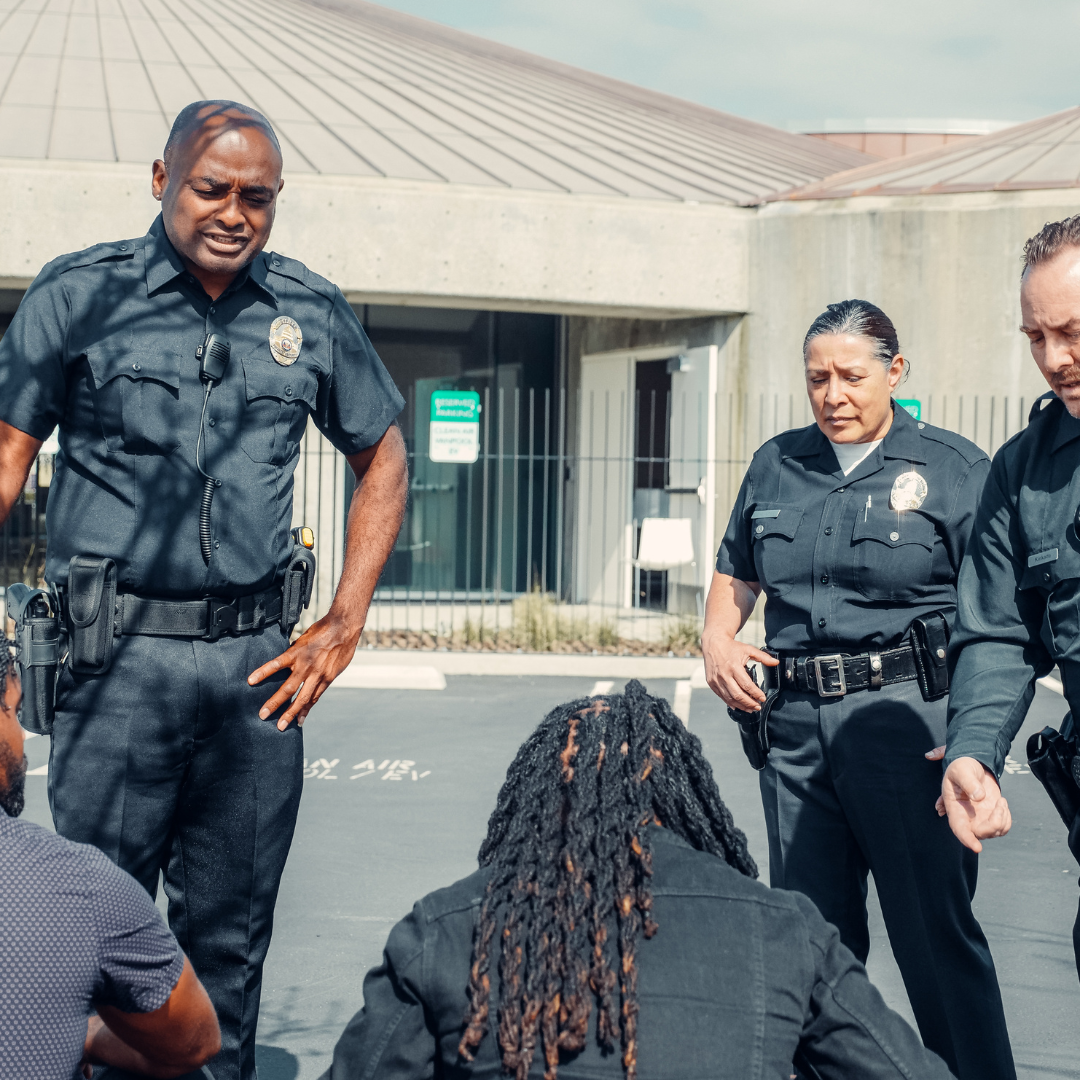
Community policing is a proactive strategy that emphasizes the collaboration between law enforcement agencies and the communities they serve. Its core principle is to build trust and foster partnerships, ultimately enhancing public safety and the quality of life for residents. This approach encourages police officers to engage more deeply with community members, addressing problems collaboratively rather than reacting solely to crime.
Through initiatives such as community meetings, neighborhood patrols, and outreach programs, community policing aims to empower residents and give them a voice in the policing process. This engagement can lead to a more effective response to public safety issues, as it allows law enforcement to better understand the specific needs and concerns of the community.
The shift from traditional policing to community policing marks a significant change in how police forces operate. By prioritizing relationships over enforcement, this model creates a more inclusive atmosphere, where the community becomes an active participant in its safety and well-being.
Fundamentals of Community Policing
Community policing focuses on building partnerships between law enforcement and the community to enhance public safety. It emphasizes problem-solving strategies and encourages active community involvement in crime prevention efforts.
Historical Context and Evolution
Community policing emerged in the United States during the late 20th century. It was a response to increasing urban crime and a need for more effective policing methods. Traditional law enforcement often operated in isolation, which led to community distrust.
In the 1980s, law enforcement agencies recognized that engaging with communities could foster trust and improve crime response. Programs began incorporating community feedback and prioritizing local needs, gradually transforming policing practices across the nation.
Community Policing Defined
Community policing is a strategy that seeks to create strong partnerships between law enforcement agencies and the communities they serve. This model prioritizes proactive measures rather than reactive responses to crime.
Officers often engage with community members to identify local issues and collaborate on solutions. This approach fosters mutual trust, as the community contributes to creating a safer environment. Community policing is centered around the idea that residents are key stakeholders in maintaining their own safety.
Core Components and Principles
Key components of community policing include:
- Partnerships: Creating alliances between police, community organizations, and residents.
- Problem-Solving: Identifying and addressing specific community issues collaboratively.
- Community Involvement: Encouraging residents to participate in safety initiatives.
The principles of community policing center on transparency, accountability, and respect. This model requires law enforcement agencies to adapt to community needs, ensuring that policing efforts are relevant and effective.
By fostering relationships and promoting active community participation, law enforcement can implement strategies that lead to sustainable crime prevention and enhanced public trust.
Strategies and Implementation
Community policing relies on various strategies and effective implementation to foster collaboration between law enforcement and the communities they serve. This section highlights key approaches, the roles of law enforcement agencies, support from dedicated organizations, and the importance of partnerships.
Policing Strategies and Techniques
Community policing incorporates strategies such as problem-oriented policing and foot patrol. Problem-oriented policing focuses on identifying specific issues within a community and developing targeted responses. This method encourages officers to engage with community members to understand concerns and brainstorm solutions.
Foot patrol increases visibility and promotes interaction between officers and residents. This personal engagement builds trust and allows law enforcement to gather information that can help address community issues. Both strategies require ongoing assessment to adapt to changing needs and ensure effectiveness.
Role of Law Enforcement Agencies
Law enforcement agencies play a crucial role in community policing through training and policy development. They are responsible for empowering officers to build relationships, understand community dynamics, and respond effectively to local concerns.
Agencies must create policies that support community engagement initiatives. This includes allocating resources for training officers in communication and conflict resolution skills. Additionally, law enforcement must commit to transparency and accountability to enhance community trust and cooperation.
Office of Community-Oriented Policing Services
The Office of Community-Oriented Policing Services (COPS) is instrumental in promoting community policing across the United States. COPS provides grants, resources, and training aimed at fostering community partnerships and improving public safety.
Through various programs, COPS assists law enforcement agencies in implementing community policing strategies. These initiatives often include workshops, funding for community outreach projects, and the development of best practice resources. COPS’ support is vital for agencies seeking to enhance their community engagement efforts.
Partnerships and Collaboration
Successful community policing hinges on strong partnerships between law enforcement and community members. Collaboration with local organizations, businesses, and residents is essential for identifying and addressing public safety issues.
Effective partnerships enable law enforcement to leverage community resources and expertise. Regular community meetings, forums, and outreach events help to establish open lines of communication and foster trust. These collaborations ensure that community perspectives inform policing strategies, enhancing their relevance and effectiveness. Communities can also benefit from programs that help monitor and maintain public safety while supporting residents’ well-being. For instance, local services, which can be found by searching something like Drug Testing Near Me can provide guidance and resources for addressing substance-related concerns responsibly.
Impact and Effectiveness
Community policing significantly influences the relationship between law enforcement and the communities they serve. The approach emphasizes building trust, improving public perception, and enhancing the effectiveness of policing in reducing crime.
Building Trust and Legitimacy
Building trust is essential for community policing. When law enforcement engages with residents, it fosters a collaborative environment. This can lead to greater trust in police legitimacy, as community members feel their voices are heard and valued.
Regular interaction between officers and residents helps to humanize police presence. Community events and meetings can create transparency and open dialogue. This proactive approach can address social problems and strengthen community bonds.
Ultimately, trust promotes better communication. When community members trust law enforcement, they are more likely to report crimes and cooperate with investigations. This mutual respect underpins effective community policing.
Public Perception and Community Relationships
Public perception of law enforcement is crucial to effective policing. Positive relationships between police and the community improve safety and security. Community policing efforts seek to dispel mistrust and fear surrounding police activities.
Increased visibility of police officers in neighborhoods can enhance public perception. When officers engage in positive interactions, such as attending local events, it fosters goodwill.
Additionally, community members who have strong relationships with law enforcement often advocate for security measures. They may participate in programs that aim to address crime proactively, reflecting a shared responsibility for community safety.
Effectiveness in Reducing Crime
Community policing has demonstrated effectiveness in reducing crime rates. By building partnerships with residents, law enforcement can focus on underlying issues that contribute to crime.
This model encourages collaboration to address specific challenges, such as violent crime or drug abuse. The sharing of information between the police and citizens can lead to more accurate assessments of community safety.
Statistical evidence suggests that areas engaging in community policing methods often see decreases in crime. The feedback loop created between police and residents allows for targeted strategies and better resource allocation. This dynamic supports an ongoing commitment to public safety and community well-being.