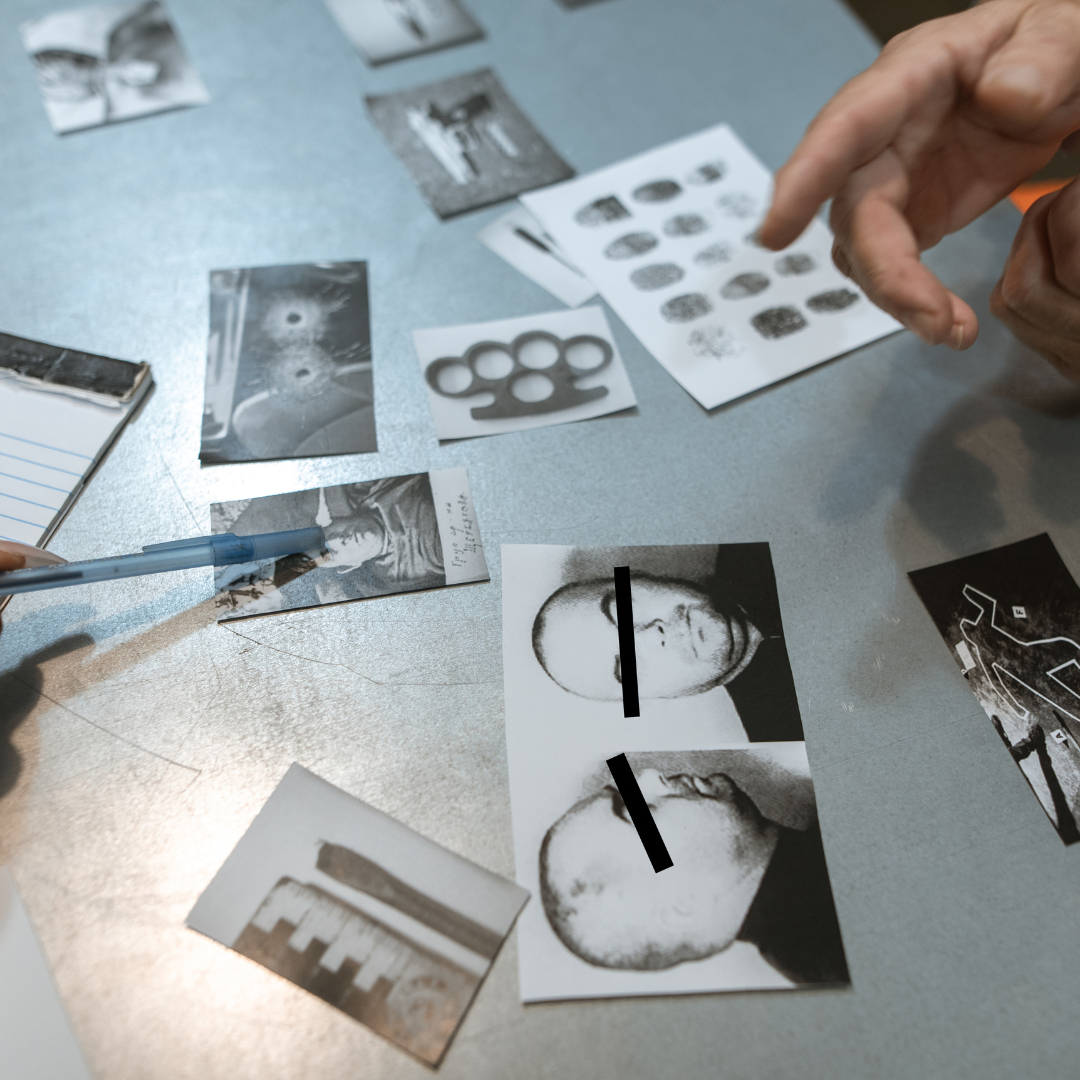
Building a strong personal injury case requires careful collection of evidence to support a claim for compensation. The right evidence can significantly influence the outcome of a personal injury claim. Gathering documentation, witness statements, photographs, and medical records is essential for demonstrating liability and the extent of damages.
An effective approach involves identifying all relevant sources of evidence at the scene of the incident. This can include obtaining contact information from witnesses and taking photos of any injuries and property damage. Additionally, collecting medical records and accident reports helps establish the link between the incident and the injuries sustained, forming a critical component of the case.
Understanding the types of evidence needed and how to gather them can empower individuals to navigate the complexities of personal injury claims. Staying organized and thorough in documentation can lead to a stronger case and the possibility of fair compensation.
Understanding Personal Injury Cases
Personal injury cases involve individuals seeking compensation for harm caused by another party’s actions or negligence. Key aspects include the types of cases that qualify, the importance of negligence in establishing liability, and how damages are assessed.
Types of Personal Injury Cases
Personal injury cases can arise from various incidents. Common types include:
- Car Accidents: Often result from reckless or negligent driving, leading to injuries and property damage.
- Slip and Fall: Occur when a person is injured due to unsafe conditions on someone else’s property, such as wet floors or uneven surfaces.
- Medical Malpractice: Involve healthcare professionals failing to provide standard care, resulting in patient harm.
- Product Liability: Arise when a defective product causes injury, holding manufacturers responsible for safety failures.
Each type requires specific evidence to support claims.
The Role of Negligence
Negligence is a critical concept in personal injury law. Professional lawyers from www.bhwlawfirm.com will have expertise in establishing a chain of negligence to prove liability. It refers to the failure to exercise reasonable care, leading to harm.
To prove negligence, four elements must be established:
- Duty of Care: The responsible party owed a duty to avoid causing harm.
- Breach of Duty: There was a failure to meet that duty through action or inaction.
- Causation: The breach directly caused the injury.
- Damages: The injured party suffered actual harm.
Understanding these elements helps in identifying responsible parties.
Determining Liability and Damages
Liability determines who is legally responsible for the injury. It can involve multiple parties, complicating cases.
Damages refer to the compensation sought for injuries. They can be categorized as:
- Economic Damages: Includes medical bills, lost wages, and property damage.
- Non-economic Damages: Covers pain and suffering, emotional distress, and loss of enjoyment of life.
Accurate documentation and evidence play a crucial role in establishing both liability and the extent of damages.
Evidence Collection Process
Collecting evidence in a personal injury case is essential for establishing liability and supporting claims. This process involves taking immediate action post-incident, preserving various types of evidence, and gathering documentation from multiple sources.
Immediate Steps Post-Incident
Immediately after an incident, the priority is to ensure safety and seek medical attention. If possible, the individual should document the scene before leaving. This includes taking photographs of injuries, property damage, and the overall environment of the accident scene.
Additionally, obtaining contact information from witnesses is crucial. Their statements may serve as valuable support for the claim. If the police are involved, securing a police report will also facilitate future evidence collection.
Preserving Evidence
Preserving evidence is vital for maintaining its integrity and relevance. This can include storing physical items safely, such as damaged personal property or clothing. Digital evidence, like photographs taken at the scene, should be backed up.
Medical records detailing injuries sustained in the incident must be collected and kept organized. Maintaining detailed notes on treatments received, medical appointments, and recovery progress will aid in substantiating claims.
Gathering Evidence
Gathering evidence requires a systematic approach to collecting and documenting relevant data. Start by reviewing witness statements and compiling their contact details to ensure follow-up if necessary.
Videos from nearby surveillance cameras can provide valuable insight into the incident’s events. Parties should also consider hiring an accident reconstruction specialist if the situation warrants. This expert can provide a detailed analysis of how the incident occurred, which can impact liability assessments.
Lastly, organize all gathered materials, including photographs, medical records, and reports, in a coherent manner for easy access during the legal process.
Medical Documentation and Financial Impact
Gathering thorough medical documentation is crucial in establishing the financial impact of injuries sustained in an incident. This section addresses the importance of collecting medical records and how to calculate economic loss resulting from the injury.
Collecting Medical Records
Medical records serve as foundational evidence in a personal injury case. They provide documentation of the medical attention received, diagnoses, and treatments performed. Key components include:
- Visit Summaries: Records from each visit detailing symptoms, treatments, and physician notes.
- Diagnostic Tests: Results from tests like MRIs or X-rays, which support claims about the injury’s severity.
- Medical Bills: These illustrate the expenses incurred from treatments, medications, and other medical services.
To collect these records, individuals should request copies directly from healthcare providers. They may need to fill out specific forms and provide identification. Ensuring these documents are organized and accessible is essential for legal processes.
Calculating Economic Loss
Determining financial impact involves calculating economic losses stemming from the injury. This includes:
- Lost Wages: Evidence such as pay stubs and employment records will demonstrate lost income due to the inability to work.
- Medical Expenses: Summarizing bills related to treatment, including hospital stays, surgeries, and ongoing therapy.
Individuals should meticulously document every financial transaction related to their injury. Keeping a record of all communication with employers and healthcare providers is beneficial. A clear accounting of lost income and medical costs strengthens the personal injury claim, providing concrete evidence of the financial burden faced.
Legal Aspects of Personal Injury Claims
Understanding the legal framework surrounding personal injury claims is essential for a successful case. This section covers the importance of legal representation, the necessity of proving liability, and the intricacies of the settlement process.
Seeking Legal Representation
A personal injury attorney plays a crucial role in navigating the complexities of the legal system. They provide clients with expert guidance on how to collect and present evidence, ensuring that all documentation, such as accident reports and medical records, is properly gathered.
Legal representation with the help of a Nashville personal injury attorney (or another expert with similar caliber) can also facilitate communication with insurance companies. Attorneys work to negotiate fair compensation, taking into account emotional distress and other consequences of the injury. Having an experienced lawyer increases the likelihood of a favorable outcome in settlement negotiations.
Proving Liability in Court
Proving liability is a critical aspect of personal injury claims. Plaintiffs must demonstrate that the defendant was negligent or acted unlawfully, leading to the injury. This often involves collecting eyewitness statements and expert opinions. This will be the role of a personal injury lawyer in Mobile, AL, or local areas, so it’s crucial for defendants to hire the right help.
Evidence such as incident reports and officer’s observations can strengthen a case. Additionally, accident reconstruction experts may be called upon to provide clarity on the events leading to the injury. Effective use of this evidence is vital for establishing a clear link between the defendant’s actions and the injury sustained.
The Settlement Process
The settlement process can significantly impact the resolution of personal injury cases. Communication records with insurance companies are essential during negotiations. Insurers may propose settlements and having the best personal injury attorney can help ensure that these offers are evaluated correctly.
A fair settlement considers medical expenses, lost wages, and emotional distress. If an agreement cannot be reached, cases may proceed to trial, where the evidence collected is presented for judicial determination. Expert testimony may play a key role, particularly when establishing the extent of damages.