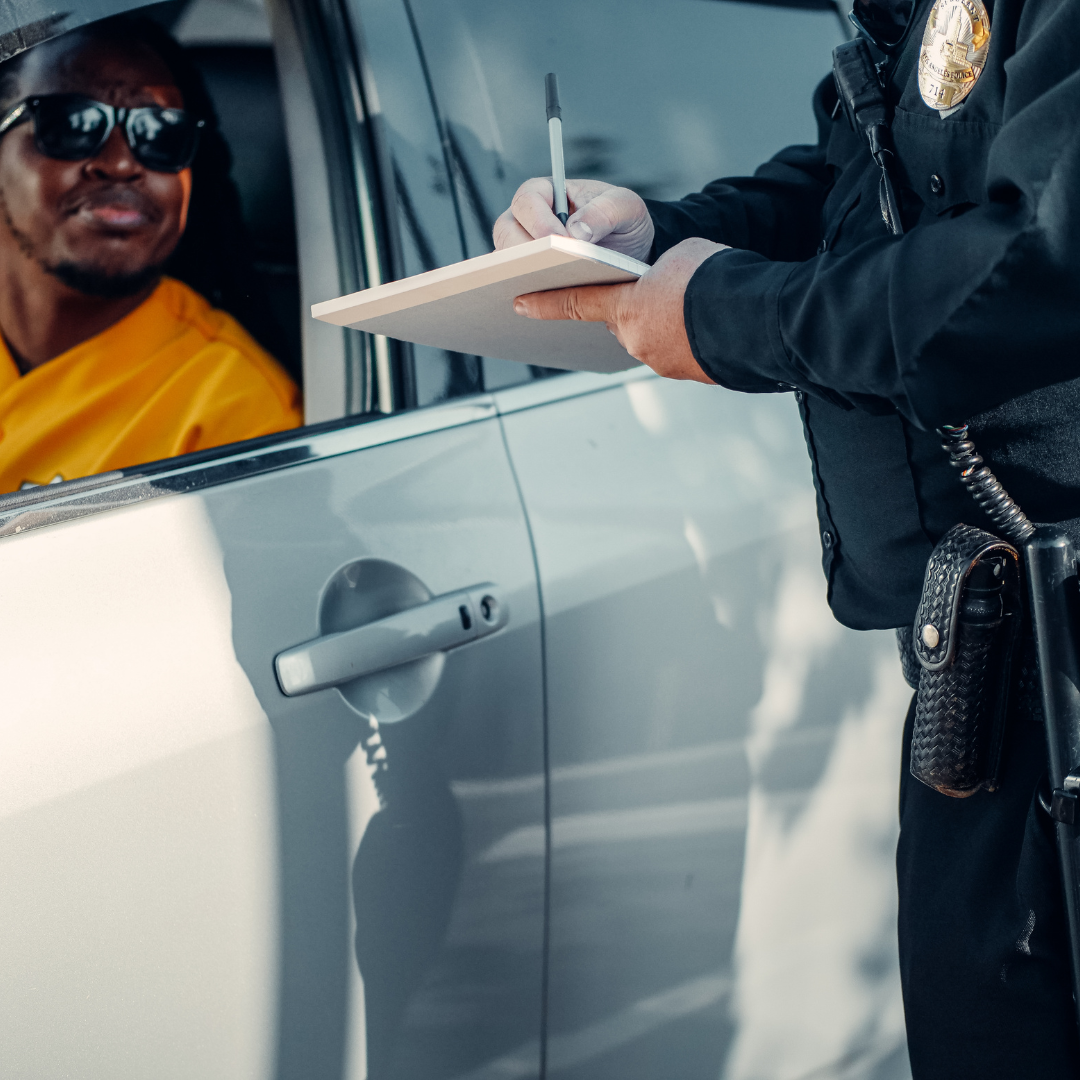
Understanding legal rights during a police traffic stop is crucial for every driver. Individuals have the right to remain silent and the right to refuse consent to a search of their vehicle unless the officer has probable cause. Knowing these rights can help prevent misunderstandings and protect one’s legal standing.
Being aware of what to expect during a traffic stop can ease anxiety and ensure that interactions with law enforcement are conducted smoothly. For instance, drivers should know that they can request to see an officer’s badge number and badge during a stop. It’s also important to remain polite and calm while asserting their rights.
Informing oneself about these rights not only promotes personal safety but also fosters respectful dialogue between the public and law enforcement. Traffic stops can be intimidating, but being prepared and informed can lead to better outcomes.
Understanding Your Legal Rights During a Police Traffic Stop
During a police traffic stop, individuals have specific legal rights designed to protect them from unreasonable actions by law enforcement. Knowing these rights can help ensure a fair encounter. Below are fundamental principles that outline your privileges during such interactions.
Constitutional Rights and Legal Basis
The Fourth Amendment protects individuals from unreasonable searches and seizures. This means that police officers need a legal basis to stop a vehicle. They can usually do so if they have a reasonable suspicion of a traffic violation or criminal activity.
The Fifth Amendment provides the right against self-incrimination. During a traffic stop, individuals can choose not to answer certain questions that may incriminate them. It is crucial to remember that drivers have the right to remain silent and ask for a lawyer if things escalate.
Building on these protections, seeking legal guidance can be an important step when navigating traffic-related situations. For instance, if an individual is stopped for speeding or another traffic-related offense, the legal implications may vary depending on the circumstances.
In such cases, seeking the help of an experienced Howard County Traffic Lawyer (or one elsewhere) can assist in understanding available options, safeguarding one’s rights, and potentially reducing penalties or legal consequences.
Reasonable Suspicion and Probable Cause
Reasonable suspicion is a lower standard than probable cause. Police officers can stop a vehicle if they observe behavior suggesting a violation. This might include erratic driving or a broken taillight.
On the other hand, probable cause is required for searches or arrests. Officers must have enough evidence to believe that a crime has been committed. If probable cause exists, they may search the vehicle without consent. Understanding these definitions is vital for knowing when officers have the authority to act.
Interactions With Law Enforcement
During a police traffic stop, individuals have specific rights that protect them in their interactions with law enforcement. Understanding these rights can help navigate the situation more effectively and ensure that one does not inadvertently compromise their legal standing.
Your Right to Remain Silent
Individuals have the right to remain silent during a police traffic stop. This is a fundamental aspect of legal protections, often referred to as Miranda Rights.
Invoking this right means that a person does not have to answer questions from law enforcement. If a person chooses to remain silent, it is advisable to communicate this clearly.
They should express that they wish to speak with a legal advisor before responding to any inquiries. This can help prevent any unintentional admissions of guilt or statements that could be used against them later.
Answering Police Questions
When faced with questions from law enforcement, individuals can choose how to respond. They are legally required to provide basic identification and vehicle documents.
Beyond this, answering additional questions is optional. It is critical to stay calm and respectful when addressing police inquiries.
If a person chooses to answer questions, they should be mindful of their words to avoid implications of guilt. If uncertain about how to respond, it may be beneficial to ask for legal counsel before continuing the discussion.
“Am I Free to Go” and Ending the Stop
Understanding when a traffic stop legally concludes is vital. Individuals have the right to ask, “Am I free to go?” This question clarifies whether they are detained or if they can leave.
If the officer responds affirmatively, they should exit the situation promptly. However, if denied permission to leave, the stop continues, and any rights against self-incrimination still apply.
Remaining composed and respectful during this exchange can help maintain the individual’s rights. If detained, it is wise to remain silent until legal representation is available to provide advice.
Avoiding Admission of Guilt
It is essential to avoid making statements that could be construed as an admission of guilt. Police officers may use leading questions to elicit responses that imply wrongdoing.
Individuals should resist apologizing or explaining circumstances that could be interpreted negatively.
Instead, focusing on their right to remain silent and seeking legal advice is recommended. If unsure whether a statement might be harmful, refraining from commentary is often the safest choice.
Legal counsel can guide individuals on how to handle inquiries and protect their rights effectively during interactions with police.
Requirements and Obligations at a Traffic Stop
During a traffic stop, individuals must comply with specific requirements and obligations related to identification and documentation. A clear understanding of these obligations helps ensure a smooth interaction with law enforcement.
Providing Identification and Documentation
When stopped by police, individuals are typically required to provide identification. This generally includes a state-issued driver’s license or an ID card. Failure to present identification can lead to complications.
Drivers should also be prepared to provide any relevant documentation related to the vehicle. This may involve sharing information like the vehicle’s make, model, and license plate number. It’s advisable to keep these documents readily accessible within the vehicle to minimize delays.
Understanding Proof of Insurance and Vehicle Registration
Proof of insurance is another essential document required during a traffic stop. Drivers must present current and valid proof that the vehicle is insured. This can take the form of a physical card or an electronic version on a mobile device.
Vehicle registration must also be provided upon request. It indicates that the vehicle is legally registered with the state. This document serves as evidence of ownership and compliance with local laws. Keeping both documents up to date is crucial to avoid legal issues during a stop.
Driver’s License and Its Importance
A driver’s license serves as a primary form of identification and confirms the legal authority to operate a vehicle. Law enforcement may check this document to verify the driver’s identity and driving history.
It is important that the license is current and not expired. An expired license can lead to fines or additional legal repercussions. Individuals should also ensure that their driving privileges are active, as suspensions can complicate interactions during a traffic stop.
Police Searches and Your Privacy Rights
During a police traffic stop, understanding the boundaries of searches is vital. Individuals have specific rights concerning their privacy, and knowing these rights can help navigate interactions with law enforcement.
Unreasonable Searches and the Plain View Doctrine
The Fourth Amendment protects against unreasonable searches and seizures. This means that law enforcement needs probable cause to conduct a search unless an exception applies.
The Plain View Doctrine states that officers can seize evidence of a crime without a warrant if it is in plain sight during a lawful stop or search. For instance, if an officer pulls over a driver and sees illegal items visible through the car window, they may have grounds to conduct a search.
It’s essential to note that simply being stopped by police does not give them unlimited authority to search without consent, a warrant, or probable cause.
When Police Can Search Your Vehicle
Police can search a vehicle under certain circumstances. Consent from the driver allows law enforcement to conduct a search without a warrant.
Additionally, if an officer has probable cause, they may search the vehicle. This could arise from indications of illegal activity, such as the smell of drugs or visible contraband.
In cases of a DUI stop, if the officer believes alcohol or drugs are involved, they may conduct more thorough searches. Understanding these conditions helps individuals know their rights during traffic stops while ensuring compliance with the law.