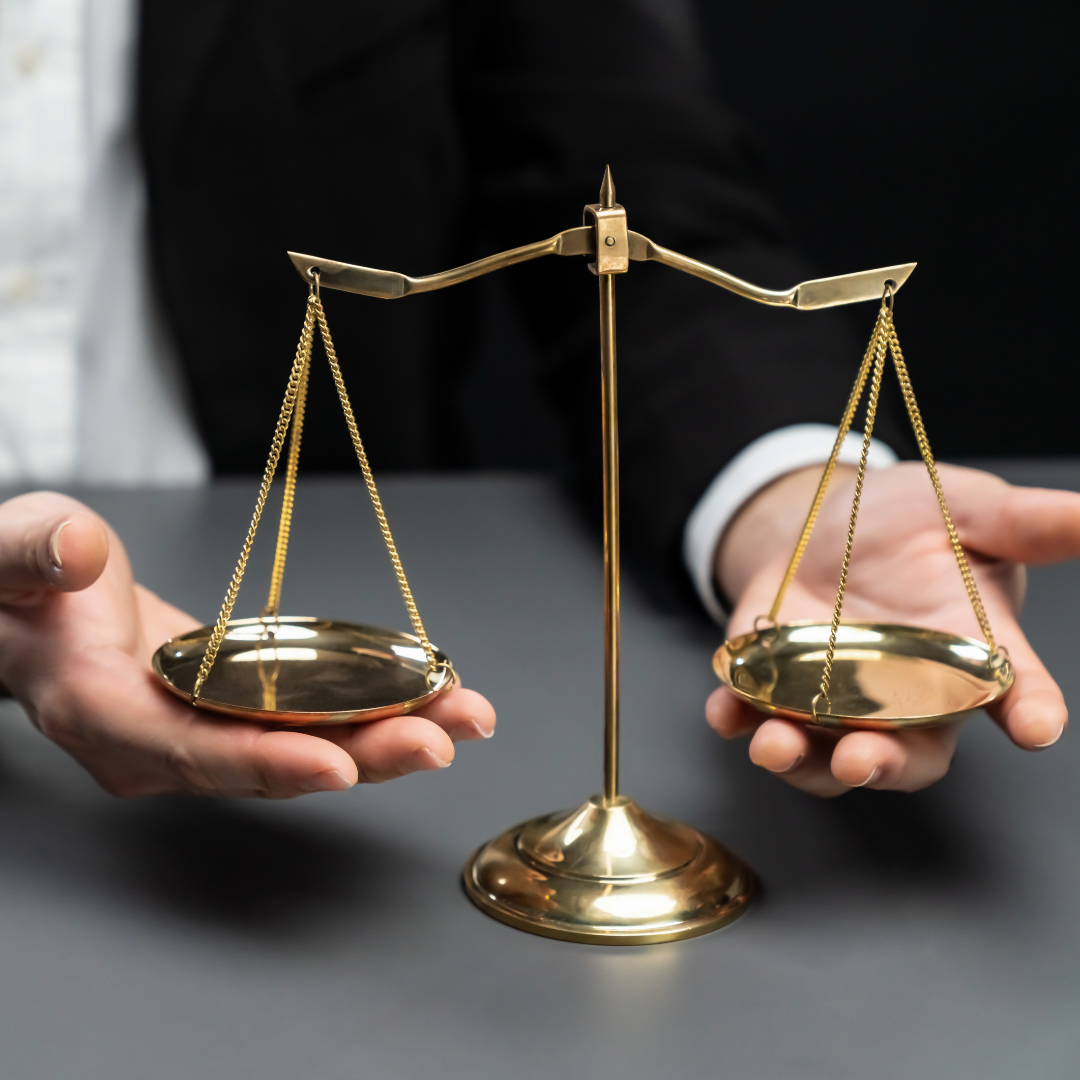
Public opinion plays a crucial role in shaping law and order within a democratic society. As citizens express their views on crime, punishment, and policing, lawmakers are compelled to respond to these sentiments. This dynamic relationship highlights how public opinion can lead to significant changes in criminal justice policies, ensuring that they reflect the values and demands of the community.
Opinion polls serve as a barometer for public sentiment, influencing legislative agendas and law enforcement practices. When a significant portion of the population expresses concern about safety, for instance, it can prompt tougher laws and increased funding for police forces. Conversely, movements advocating for criminal justice reform demonstrate how shifts in public opinion can result in more lenient approaches to certain crimes and a focus on rehabilitation.
Understanding the impact of public opinion on law and order is essential for comprehending the complexities of the criminal justice system. It reveals how a society’s collective voice can steer policy decisions and influence the balance between safety and civil liberties.
The Role of Public Opinion in Democratic Societies
Public opinion serves as a foundational element in democratic societies, influencing political outcomes and the actions of elected officials. Understanding its impact on elections and policymaking illustrates how public attitudes shape governance.
Influence on Elections and Political Actors
Public opinion significantly affects electoral outcomes. Political candidates tailor their campaigns to align with the prevailing sentiments of the electorate. For instance, issues such as healthcare, education, and law enforcement often dominate public discourse, prompting candidates to adopt specific stances that resonate with voters.
Elections are platforms for expressing these public attitudes. Polling data helps political actors gauge voter priorities and adjust their messages accordingly. Consequently, elected officials may prioritize issues highlighted by public opinion to secure votes, leading to a responsive political landscape.
Moreover, political scientists study these dynamics to understand how public sentiment shifts over time and influences election results.
Dynamic Representation and Policymaking
Democratic responsiveness entails that policymakers remain attuned to the changing views of the populace. This dynamic representation means elected officials must adapt their policies in reaction to public opinion.
The process of policymaking is often iterative. When citizens express dissatisfaction with existing laws, it prompts debate among political institutions. Public protests, surveys, and media coverage can highlight specific issues, forcing legislative bodies to take notice.
Furthermore, elected officials frequently rely on feedback loops, such as town hall meetings and community forums. Engaging directly with constituents allows them to refine their understanding of public concerns, enhancing the likelihood that policies will reflect the electorate’s needs. This responsiveness strengthens democratic legitimacy and fosters trust between citizens and their representatives.
Public Opinion and the Criminal Justice System
Public opinion plays a crucial role in shaping the criminal justice landscape, influencing both sentencing policies and court decisions. This section explores how societal attitudes inform these vital aspects.
Sentencing and Punishment Policies
Public opinion significantly impacts sentencing and punishment policies. As crime rates fluctuate, people often advocate for stricter laws and longer sentences, reflecting a desire for enhanced public safety. For example, during the 1980s and 1990s, the surge in violent crime prompted a rise in punitive crime policies and mandatory minimum sentences.
Different demographic groups may have varying perspectives on incarceration rates and alternatives to prison. Activists often argue against excessively punitive measures, highlighting the need for rehabilitation instead of mere punishment. The debate on the death penalty, especially following cases like Furman v. Georgia, illustrates how shifting public views can lead to changes in legal practices.
Court Decisions and Judicial Independence
Court decisions are not immune to public sentiment. Judges may consider prevailing public opinions when making rulings, especially in high-profile cases. Judicial independence is critical, yet public pressure can influence perceptions of fairness in the legal system.
Cases before the Supreme Court often spark nationwide discussion. When the Court addresses issues such as sentencing guidelines or the death penalty, public response can shape future rulings. For instance, increasing concerns about wrongful convictions have driven debates over judicial discretion. This dynamic illustrates the tension between maintaining impartiality and responding to public expectations within the justice system.
Public Oversight Beyond Criminal Justice
The influence of public opinion often extends beyond the courtroom and sentencing policies into other areas of public governance. In democratic systems, citizens’ demand for transparency and accountability frequently shapes regulatory frameworks and institutional reforms. Government spending and contracting processes, in particular, are often subject to public scrutiny.
For example, Public procurement experts in Costa Rica (or elsewhere) tend to play an essential role in ensuring that government contracting processes comply with legal standards and meet public expectations of fairness and transparency.
Just as criminal justice policies evolve in response to societal concerns about safety and justice, procurement regulations adapt to public demands for integrity and responsible use of public funds. Together, these examples illustrate how public opinion serves as a powerful force influencing multiple dimensions of legal and governmental systems.
Media and Public Perception
Media plays a critical role in shaping public perception of law and order. Through its coverage of crime and political discourse, it influences public sentiment and, consequently, policy outcomes.
Coverage of Crime and Impact on Public Sentiment
Mass media significantly affects how the public perceives crime rates and safety. Increased reporting on violent incidents often heightens fear, influencing the public to demand stricter law enforcement measures. This can lead to a perception that crime is rising, even if statistics show otherwise.
Consequently, sensationalist reporting may skew public sentiment. For example, excessive coverage of specific crimes can create a “media-driven panic,” prompting calls for immediate political action. The resulting public concern can directly pressure political parties to adopt tougher laws, even if such measures are disproportionate to actual crime trends.
Political Rhetoric and Legislative Outcomes
Political manipulation frequently occurs when leaders leverage media narratives to shape public opinion. Politicians may amplify crime stories to rally support for their agendas, often using rhetoric that frames issues in a way that resonates with constituents’ fears.
This strategic use of media influences legislative outcomes. When public sentiment shifts toward supporting harsher penalties or increased policing, lawmakers may respond by enacting policies that align with these views. Political parties exploit this mood to gain traction, even using crime as a campaign tool to secure votes.
Evaluating Law’s Response to Public Opinion
Public opinion plays a crucial role in shaping legal frameworks and the criminal justice system. Understanding how public mood fluctuates can reveal the ways laws adapt to meet shifting societal concerns.
Case Studies and Comparative Perspectives
Case studies illustrate how public opinion directly influences legislative changes. For instance, in the United States, rising concerns about crime salience during the 1980s led to a punitive approach, resulting in mass incarceration.
European countries, with differing public attitudes, showcase alternative responses. In nations like Norway and the Netherlands, emphasis on rehabilitation rather than punishment aligns with more lenient public sentiments. Political elites often react to these shifts through policy formation, demonstrating majoritarian congruence.
Public opinion research consistently highlights the relationship between support levels for punitive measures and crime rates. As crime concerns rise, legislatures may push for tougher laws, reflecting momentary public mood rather than evidence-based practices.
The Future of Law in Light of Public Demand
As public opinion shifts, laws must adapt accordingly. Election cycles can trigger changes in crime policy, often influenced by high-profile crime cases and their media coverage. Ballot initiatives and referendums emerge as tools for direct public influence, shifting state policies dramatically.
The evolving public will alter capital punishment policy and correctional expenditures, showing how responsive the system can be to changing societal attitudes. Judicial independence sometimes acts as a counterweight, ensuring laws remain just despite popular opinion.
Opinion-policy relationships reveal that public attitudes aren’t static. Changes in attitudes over time, especially regarding issues like forensic evidence and homicide rates, indicate ongoing negotiation between societal needs and legal frameworks.